

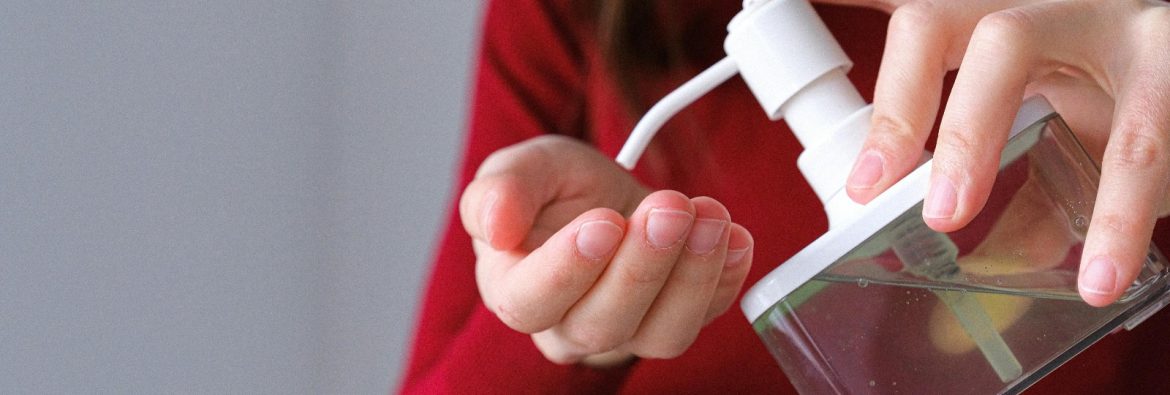
Ethanol is widely recognized for its potent antimicrobial properties, making it a primary ingredient in hand sanitizers, disinfectants, and a variety of other sanitizing products. Its effectiveness against a broad spectrum of microorganisms, including bacteria, viruses, and fungi, has established it as a critical tool in maintaining hygiene and preventing the spread of infections, particularly in healthcare, public, and high-traffic environments.
The antimicrobial action of ethanol works by denaturing proteins and dissolving lipids present in the cell membranes of microorganisms. This process effectively disrupts the cellular structure, leading to the death of the microbe. Ethanol concentrations between 60% to 95% are considered most effective, with 70% being the optimal concentration for hand sanitizers and surface disinfectants. At this concentration, ethanol not only kills a wide range of pathogens rapidly but also evaporates quickly, leaving no residue and reducing the risk of skin irritation.
In healthcare settings, ethanol-based hand sanitizers are indispensable. They offer a convenient and quick method for healthcare professionals to sanitize their hands between patient interactions, significantly reducing the risk of healthcare-associated infections (HAIs). The World Health Organization (WHO) and the Centers for Disease Control and Prevention (CDC) both recommend ethanol-based hand sanitizers as an effective alternative to handwashing when soap and water are not available. Ethanol’s role in these settings is critical, as it provides a fast-acting and reliable means to maintain hygiene standards and protect both patients and healthcare workers.
Beyond healthcare, ethanol is extensively used in public settings, such as schools, offices, airports, and public transport, to minimize the spread of contagious diseases. During outbreaks of viral infections like the flu or COVID-19, the use of ethanol-based disinfectants has been essential in mitigating transmission by sanitizing frequently touched surfaces, such as doorknobs, handrails, and countertops. Its ease of use, combined with its powerful disinfectant properties, makes ethanol a preferred choice for personal and public hygiene.
Moreover, ethanol is environmentally friendly compared to many other chemical disinfectants. It biodegrades rapidly and leaves no harmful residues, making it a safer option for widespread use, especially in large-scale public sanitation efforts.
In conclusion, ethanol’s role as a primary ingredient in hand sanitizers and disinfectants is critical for public health. Its proven effectiveness, rapid action, and safety profile make it an essential component in infection control, helping to provide a robust line of defense against germs and infections in both healthcare and public settings.
3 Replies to “Hand Sanitizers”
These ads typically include a visual element with copy and to a landing page where users may convert into leads or customers. Display ads include banner ads and other types of visual advertisements that display on your audience visits.
Display ads include banner ads and other types of visual advertisements that display on your audience visits. These ads typically include a visual element with copy and to a landing page where users may convert into leads or customers
Your audience visits display ads include banner ads and other types of visual advertisements that display on. These ads typically include a visual element with copy and to a landing page where users may convert into leads or customers