

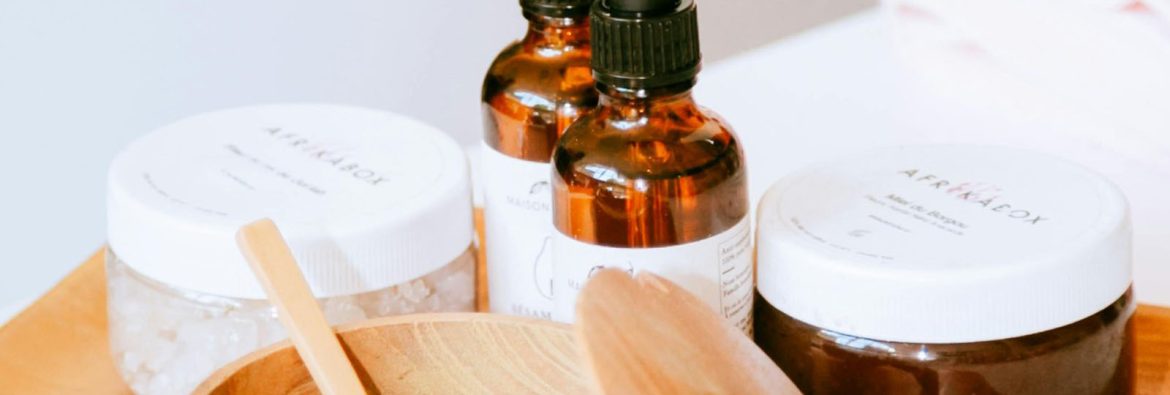
Ethanol is widely used as a solvent in the extraction of active compounds from plants and herbs for the creation of herbal medicines and dietary supplements. Its effectiveness in this role is due to several key properties that make it an ideal choice for producing high-quality and potent natural remedies. Here’s a detailed exploration of why ethanol is preferred for this purpose:
Solvent Properties and Extraction Efficiency
- Polarity and Solubility: Ethanol is a versatile solvent with both polar and nonpolar characteristics, which allows it to dissolve a broad range of compounds. This dual polarity enables ethanol to effectively extract various types of phytochemicals from plant materials, including alkaloids, flavonoids, glycosides, essential oils, and terpenes. Its ability to dissolve both hydrophilic (water-soluble) and lipophilic (oil-soluble) substances ensures a comprehensive extraction of the active ingredients.
- Optimal Extraction Efficiency: Ethanol is highly effective in extracting the active compounds from plant materials due to its ability to penetrate plant cell walls and dissolve intracellular substances. The solvent extracts not only the primary active compounds but also secondary metabolites that can contribute to the overall therapeutic effect of the herbal product. The efficiency of ethanol in this role helps ensure that the final extract is rich in the desired bioactive components.
Quality and Potency of Extracts
- High-Quality Extracts: Ethanol’s role as a solvent in the extraction process helps produce high-quality herbal extracts. It ensures that the extract contains a concentrated and balanced profile of active ingredients, which is essential for the efficacy of the herbal medicine or supplement. The high solubility of ethanol aids in achieving a consistent and reliable concentration of the active compounds.
- Potency and Bioavailability: The potency of herbal medicines and supplements is closely linked to the concentration of active compounds in the extract. Ethanol’s effectiveness in extracting these compounds contributes to the potency of the final product. Additionally, ethanol helps in maintaining the bioavailability of these compounds, ensuring that they remain effective when consumed.
Versatility and Adaptability
- Wide Range of Applications: Ethanol can be used to extract compounds from a variety of plant materials, including roots, leaves, seeds, flowers, and fruits. This versatility makes it suitable for producing extracts from diverse herbs and plants, each with its unique set of active compounds.
- Adjustable Concentration: The concentration of ethanol used in the extraction process can be adjusted according to the specific requirements of the plant material and the desired strength of the extract. This flexibility allows for the optimization of extraction processes to yield extracts with varying concentrations and profiles of active ingredients.
Preservation and Stability
- Preservative Properties: Ethanol has inherent antimicrobial properties that help preserve the extracted compounds and prevent the growth of bacteria, fungi, and other microorganisms. This preservation is crucial for maintaining the stability and safety of the herbal extract over time.
- Extended Shelf Life: By inhibiting microbial growth and reducing the risk of spoilage, ethanol extends the shelf life of herbal extracts. This ensures that the products remain effective and safe for consumption throughout their intended shelf life.
Process and Production
- Extraction Techniques: Ethanol extraction can be performed using various techniques, such as maceration (soaking the plant material in ethanol), percolation (filtering the solvent through the plant material), or advanced methods like supercritical fluid extraction. These techniques allow for efficient and controlled extraction of active compounds.
- Standardization: The use of ethanol in extraction helps in standardizing the production process. By carefully controlling the concentration of ethanol and extraction conditions, manufacturers can produce consistent batches of herbal extracts with reliable levels of active ingredients.
Considerations
- Ethanol Concentration: The concentration of ethanol used in the extraction process is crucial for optimizing the extraction efficiency. Too high a concentration may lead to the extraction of undesirable substances, while too low a concentration may not fully extract the active compounds. Proper calibration and optimization are essential to achieve the desired quality and potency of the extract.
- Safety and Regulations: Ethanol is generally regarded as safe for use in herbal medicine extraction, but its use must comply with relevant regulations and standards. Ensuring that the final extract is free from residual solvents and meets safety guidelines is important for consumer safety.
In summary, ethanol’s role as a solvent in the extraction of active compounds from plants and herbs is vital for producing high-quality, potent herbal medicines and supplements. Its effectiveness in dissolving a wide range of phytochemicals, along with its preservative properties and adaptability, makes it a preferred choice for ensuring the efficacy and stability of natural remedies.
Leave A Comment